Taekwondo
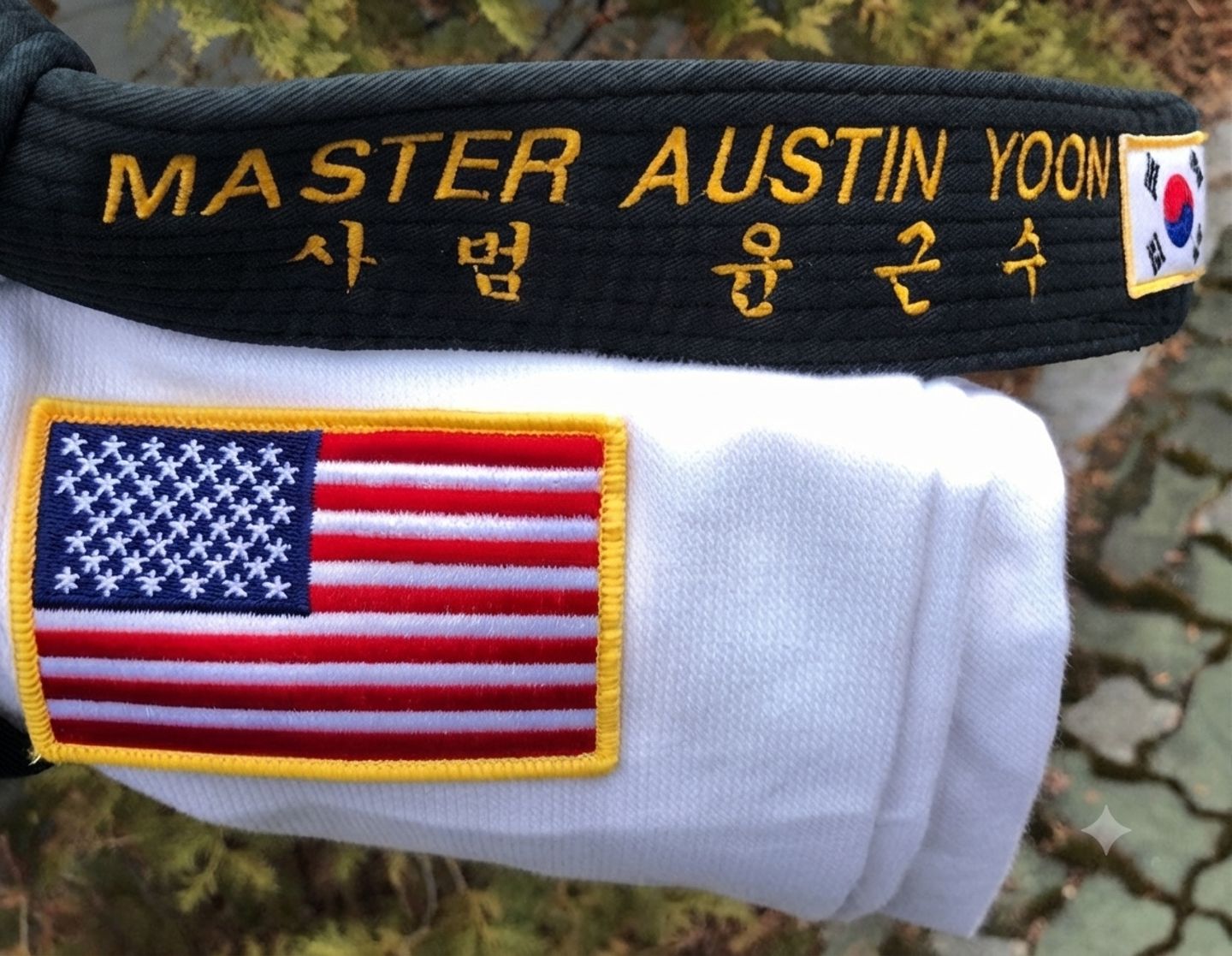
Taekwondo Master
Taekwondo is more than a martial art to me. It is a living tradition of Korea, shaped by history, discipline, and spirit. Through its movements, forms, and etiquette, Taekwondo carries the dignity of Korean culture and teaches that true strength begins with respect.
During my years studying in the United States, I had the meaningful opportunity to teach Taekwondo at a Korean church Saturday school. Many of the children were Korean by heritage, but they did not speak Korean well. Through Taekwondo, I was able to share with them something that language alone could not fully give: a sense of Korean identity, pride, and belonging.
That experience stayed with me deeply. Every bow, every stance, and every shout became a quiet reminder that culture can be taught through the body as well as through words.
I also taught at a professional Taekwondo school in the United States, where I introduced American children and adults to Korea and to Taekwondo as Korea’s national martial art. It gave me great pride to see people from different backgrounds respect the discipline, beauty, and spirit of Taekwondo. Teaching them was not only about kicks or self-defense; it was about sharing the values of courtesy, perseverance, self-control, humility, and courage.
Taekwondo is more than a martial art to children, too. Beyond teaching martial arts, etiquette, discipline, and self-control, I would have the children shout, “Thank you, Mom and Dad!” in every class. (One distinctive feature of Taekwondo classes in the United States, quite different from Korea, is that parents or nannies often sit inside the dojang and watch the entire class from beginning to end.) Taekwondo may not teach children how to love, but it teaches them, again and again, how to say, “I love you.”
At the end of promotion tests, I would have the children shout, “I love you, Mom and Dad!” Many times, that simple moment would move children and parents to embrace one another in tears. Not every family reacted in the same way, of course, but I witnessed those touching moments again and again. Taekwondo teaches children not only how to stand strong, but also how to bow with respect, give thanks, and express their love. That is why it is truly more than a martial art.
Looking back, Taekwondo may have also shaped the way I think and write as a researcher. Through Taekwondo, I learned how powerful it can be to carry the Korean spirit into the wider world. Perhaps that is why, even in my computer-related research, I have chosen to use the Korean word "Changbal" rather than simply relying on the English word "emergence." For me, Changbal is not only a technical term. It carries memory, identity, and a living connection to Korea. The deeper the Korean spirit, the wider its resonance.
As a Taekwondo master, I believe Taekwondo connects people across languages, cultures, and generations. It teaches us to become stronger not only in body, but also in character. That is why I continue to love Taekwondo with gratitude and pride.
The Deeper the Roots, the Wider the Resonance.
Master Yoon
